Development Boards
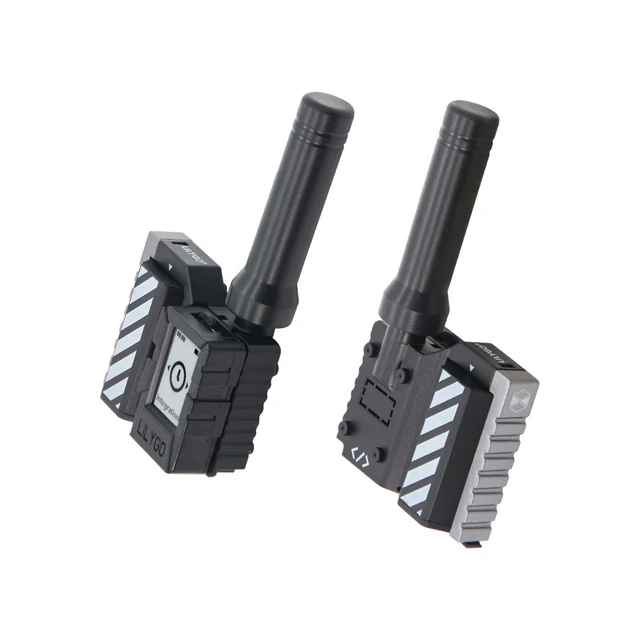
LilyGO T-Mini E-Paper S3
Compact ESP32-S3 e-paper node with a 1.02-inch display, LoRa radio and RTC for battery-powered tags.
Capabilities below are vendor-documented. We have not tested this device or its integrations.
Sources checked:
Suitable projects
- Price tags and shelf labels that refresh a few times a day.
- Remote sensor nodes that report over LoRa and keep a last reading on screen.
- Battery devices where a 4 MB image is enough.
Before you buy
- 4 MB of flash and 2 MB of PSRAM leave little room for a graphics stack.
- The 128 x 80 monochrome panel suits short labels, not dashboards.
- The LoRa band is fixed by variant, so the exact part number decides whether the radio is legal where you deploy.
Official resources
Related guides
- ESP32 chip comparison: C3, C6, H2, S2, S3, P4 and C5
- ESP32 hardware selection: from development board to module to antenna
- ESP32 production readiness: what changes after the prototype works
- ESP32 low-power reality: what the sleep current tables actually say
- ESP32 supply chain: what Espressif's own documents say, and where they stop
- MCU
- ESP32-S3FN4R2, dual-core LX7
- Memory
- 4 MB flash, 2 MB QSPI PSRAM
- Display
- 1.02-inch e-paper at 128 x 80
- Radio
- SX1262 LoRa at 868, 915 or 923 MHz
- RTC
- PCF85063ATL
- Storage
- TF card
- Expansion
- QWIIC connector
- Battery
- 18350 cell at 3.7 V
- Size
- 102 x 24.5 x 53 mm
Choosing LilyGO T-Mini E-Paper S3
This profile is based on official documentation, not our own device testing.
What it is
A small battery-powered node built around an ESP32-S3FN4R2, a 1.02-inch 128 x 80 e-paper panel, an SX1262 LoRa radio and a PCF85063ATL real-time clock. It is 102 x 24.5 x 53 mm and runs from a single 18350 cell.
The panel size sets the product. This is a label, a tag or a single number on a shelf, not a dashboard.
Specifications
| Item | Value |
|---|---|
| MCU | ESP32-S3FN4R2, dual-core LX7 |
| Memory | 4 MB flash, 2 MB QSPI PSRAM |
| Display | 1.02-inch e-paper at 128 x 80 |
| Radio | SX1262 LoRa at 868, 915 or 923 MHz |
| RTC | PCF85063ATL |
| Storage | TF card slot |
| Expansion | QWIIC connector |
| Battery | 18350 cell at 3.7 V |
| Size | 102 x 24.5 x 53 mm |
What 4 MB of flash decides
An ESP32-S3 with 4 MB of flash and 2 MB of PSRAM is comfortable for a sensor node that draws a few dozen characters and pushes a small packet over LoRa. It is not comfortable once you add a graphics library, a TLS stack and a file system at the same time.
If the design needs to render and keep more than one screen, this is the wrong board, not a board that needs optimisation.
Check before ordering
- The LoRa band is fixed per variant. The part number decides whether the radio is legal where you deploy it.
- The display is monochrome at 128 x 80, so plan the information hierarchy before writing firmware.
- The 18350 cell is not included in every listing. Check the package contents.
Next step
Confirm the LoRa band and whether the cell ships with the board, then size the firmware against 4 MB of flash before the first build.